The Globalization of Entertainment: Everyone Playing the Same Scenario

The Globalization of Entertainment: Everyone Playing the Same Scenario
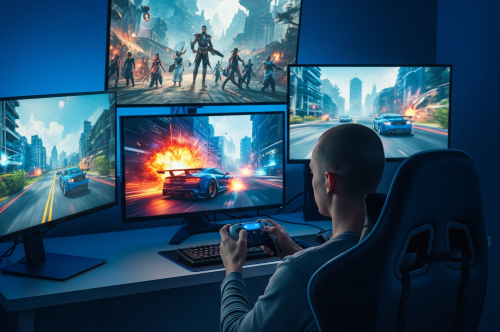
In the last two decades, digitalization has fundamentally transformed entertainment practices. The need to go outside to play games has disappeared. Through smartphones, global productions like PUBG, Roblox, and Candy Crush have become part of daily routines for everyone. Platforms like YouTube and TikTok have rapidly spread specific entertainment patterns, creating a global entertainment language.
While the positive aspects of this situation are undeniable, it has led to the marginalization of each culture's unique games and entertainment rituals. As a result, cultural memory is weakening, and local games are fading into obscurity.
Traditional Games from Different Cultures Facing Extinction
Here are a few examples of traditional games that are at risk of being forgotten:
-
Mokomoko (Zimbabwe): Played in many parts of Africa, Mokomoko helps children develop both physical and rhythmic skills while encouraging teamwork. It's typically played on a specific pattern with stones or sticks.
-
Hanetsuki (Japan): Traditionally played during New Year's celebrations, Hanetsuki is similar to badminton without rackets. This game aims to ward off evil spirits, and it's customary to "punish" losers by drawing patterns on their faces with ink.
-
Kubb (Sweden): Also known as "Viking Chess," Kubb is an outdoor board block game that combines strategy and aiming skills. It's an ideal option for bonding with family and friends.
-
Capoeira (Brazil): Capoeira is not just a martial art; it's a deep cultural performance that includes rhythm, dance, and storytelling. It was developed by enslaved Brazilians in their quest for freedom.
-
Pachisi (India): The ancestor of today's Ludo game, Pachisi was an important social event and a strategic game played in Indian palaces.
-
Mangala (Turkey): A Turkish intelligence and strategy game, Mangala is a type of pit game played between two players. Players move stones between pits according to specific rules, aiming to capture their opponents' stones. This game has been played in Anatolia for centuries, developing skills such as strategic thinking, planning, and patience.
These games are unique legacies that reflect the lifestyles and values of the societies they belong to.
Games as Cultural Memory
Each of these traditional games reflects the values and worldview of its respective culture. The rules, structure, and way a game is played reveal that society's hierarchy, communication style, rituals, and even its philosophy. Therefore, games are more than just simple entertainment tools; they are cultural documents.
Diversity in Entertainment Means Depth in Identity
Today, we may live in a world where everyone plays similar games; however, the games of the past carry strong clues about who we are, where we come from, and how we lived. Diversity in entertainment forms the foundation of cultural richness. Preserving traditional games is not just a nostalgic act; it's also an indicator of cultural sustainability. Even as we live in a globalized world, remembering our roots while having fun is in our own hands.